The Complete Guide to Professional Hair Color Services in Farmington Hills
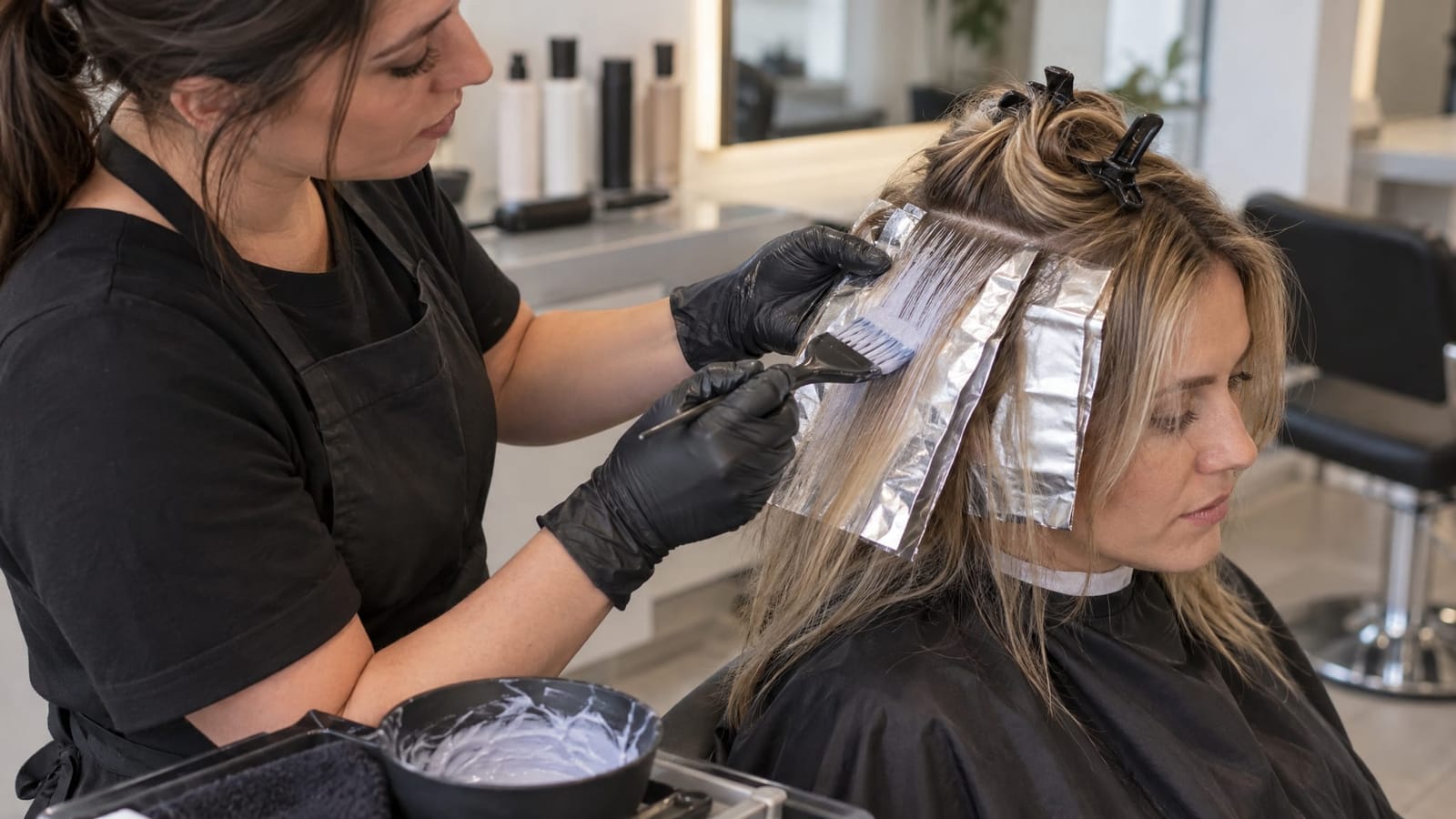
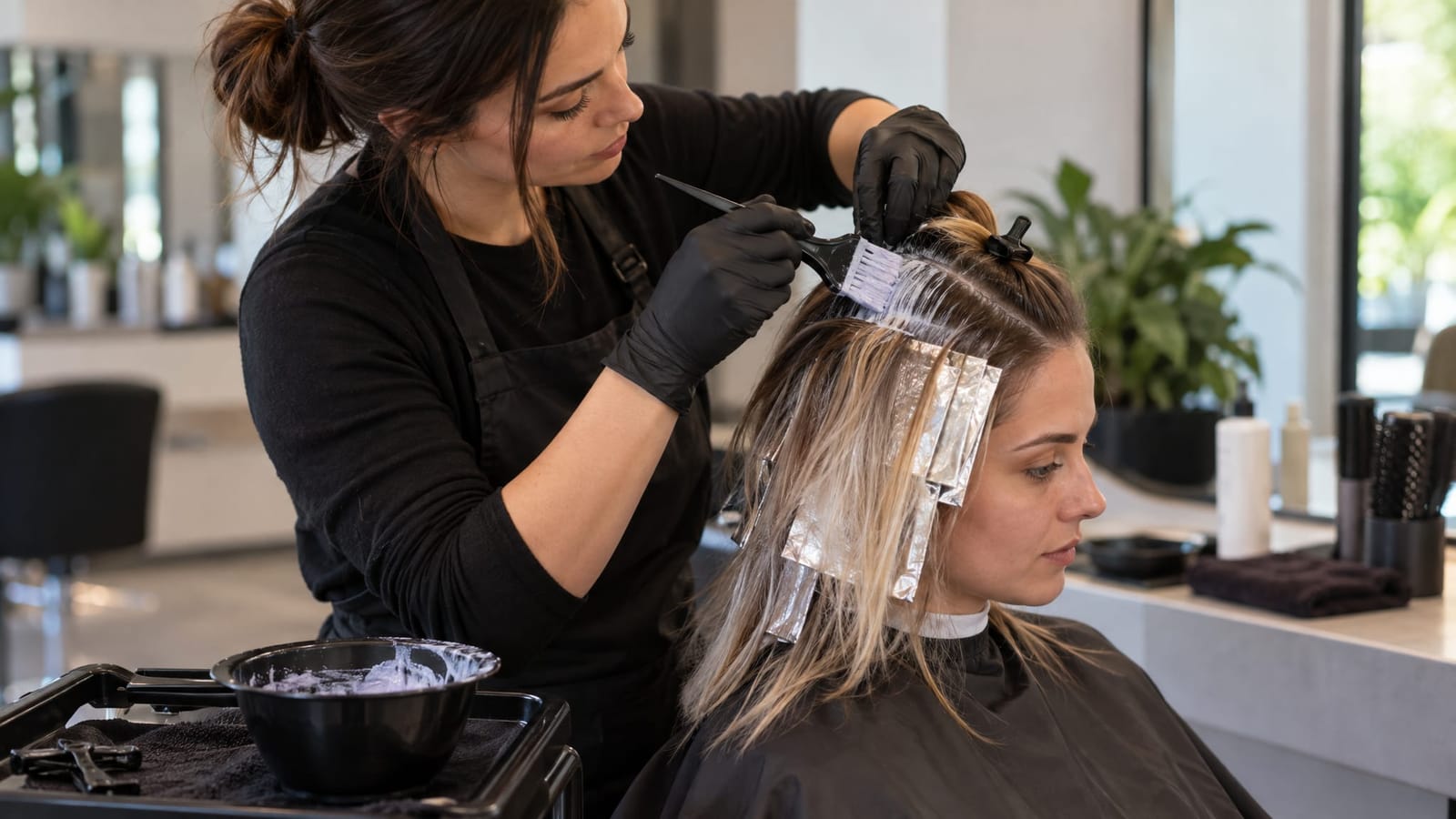
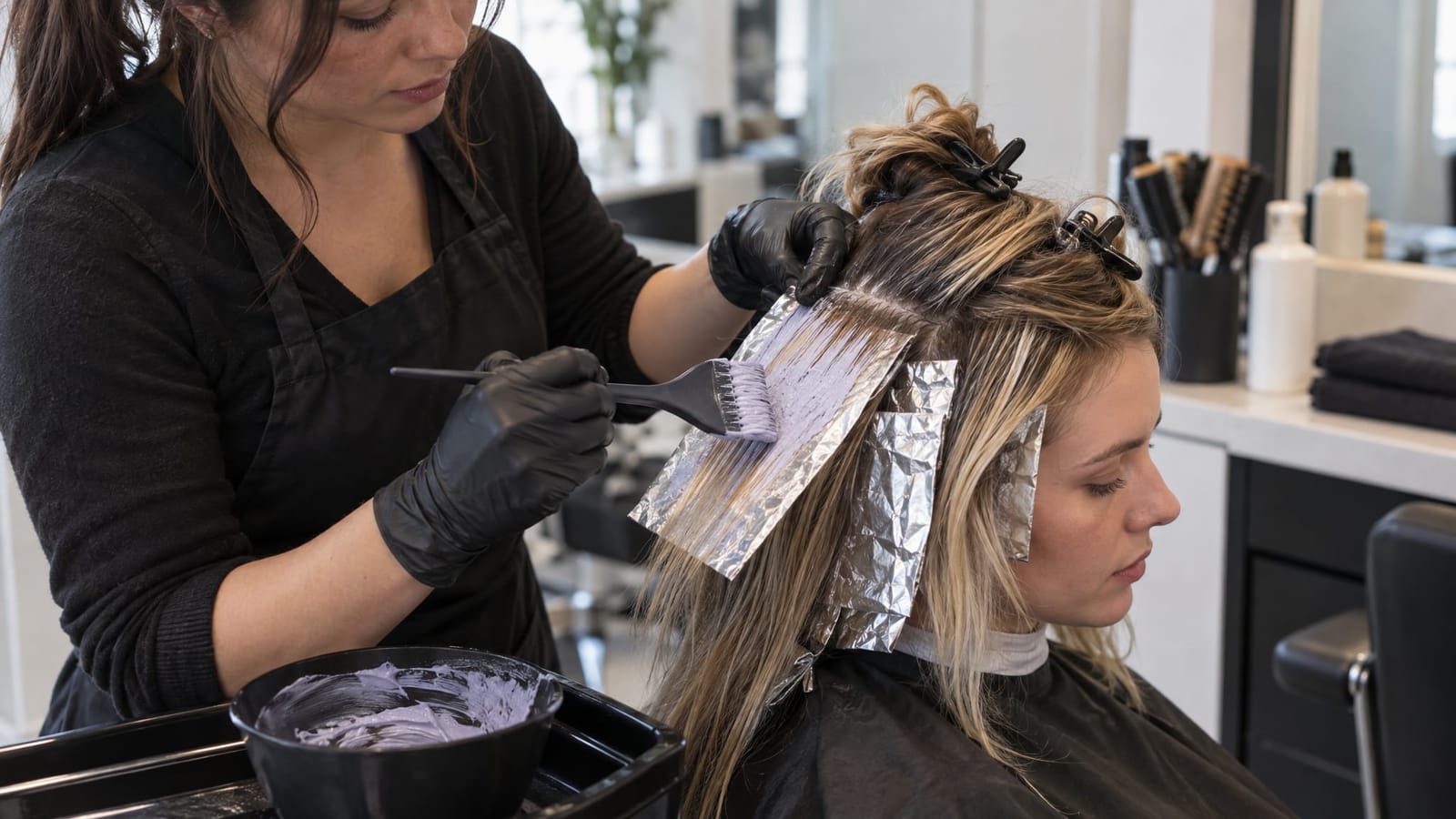
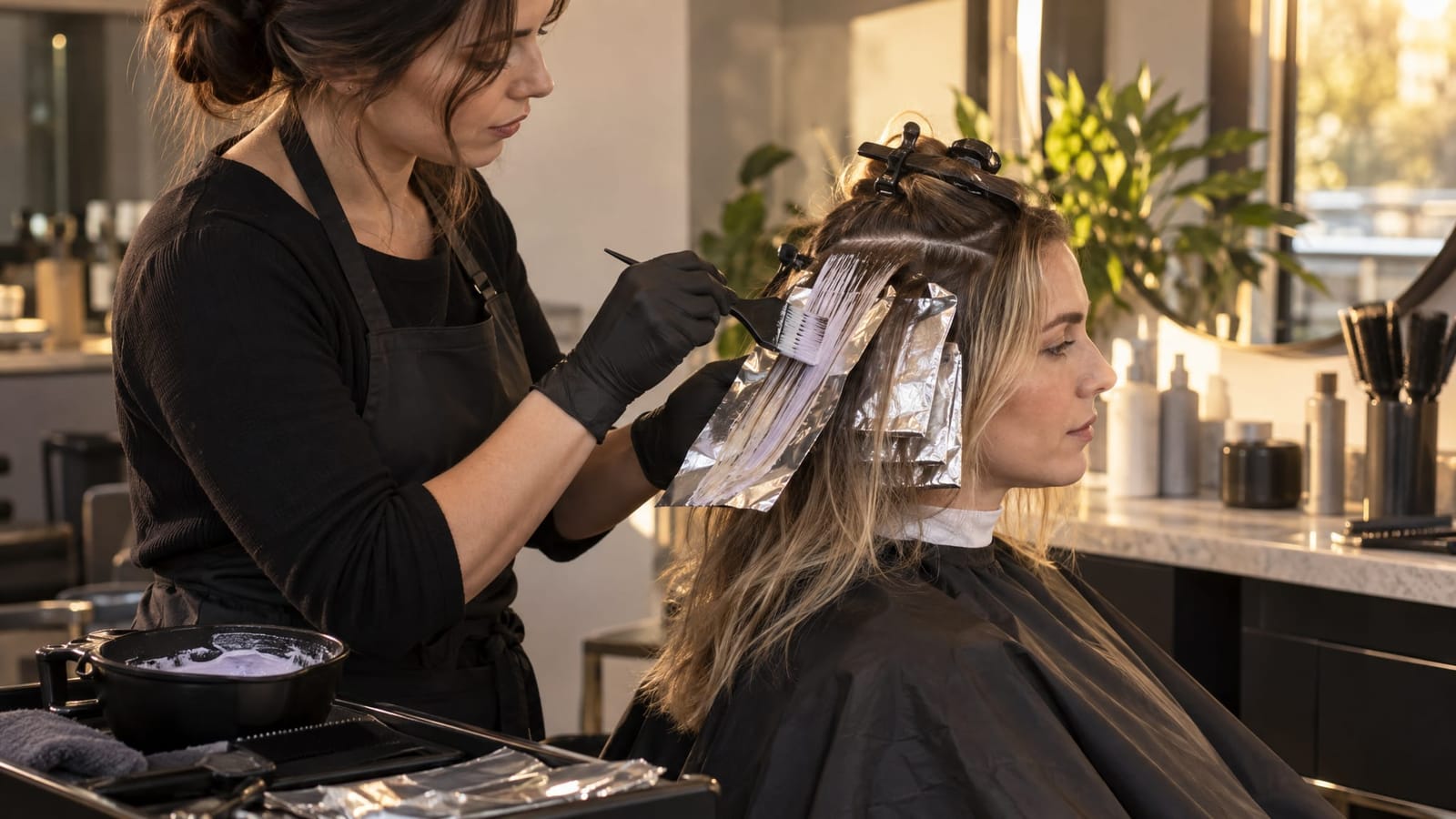
The right hair color service depends on what needs to change: your roots, your overall shade, your highlights, or the tone of color you already have. A root touch-up maintains regrowth. All-over color creates a more consistent shade. Highlights and balayage add dimension. Toner refines existing color, while color correction addresses uneven or unwanted results.
If you are comparing options for a hair color salon in Farmington Hills, understanding those differences makes it easier to choose a service that fits your hair and your routine. The color you want matters, but so do previous coloring, hair condition, gray coverage goals, and the upkeep you prefer.
At Salon Sanaa, we offer each of these color services, along with Color & Blow-Dry and Color/Cut options. Our salon is based in Farmington Hills and also serves clients from West Bloomfield.
Start With the Change You Want to See
Rather than choosing a technique because it is popular, start with the part of your current color that you want to improve.
| Your main goal | Service to consider | Important distinction |
|---|---|---|
| Cover visible regrowth or gray at the roots | Signature Root Touch Up | Focuses on new growth, not a complete refresh of the lengths. |
| Create a consistent overall shade | All Over Color | Changes the overall color rather than adding selected lighter pieces. |
| Add brightness around the face or through selected sections | Partial Highlight | Uses targeted placement rather than highlighting throughout the head. |
| Add dimension throughout the hair | Full Highlight | Includes broader placement, including areas beneath the top layers. |
| Create softly blended brightness | Balayage | Emphasizes placement and transitions rather than one uniform shade. |
| Create an overall lightened base | Bleach & Tone | Separates the lightening process from the final tone adjustment. |
| Adjust brassiness or refresh faded tone | Toner/Gloss | Refines existing color without replacing substantial lightening. |
| Address bands, uneven color, or an unwanted dye result | Color Correction | Requires a plan based on the different colors and conditions already present. |
Some goals involve more than one service. Gray coverage at the roots and brighter pieces through the lengths, for example, are separate tasks. Thinking about them separately helps clarify the appointment rather than forcing everything into one service name.
What Each Professional Hair Color Service Does
Signature Root Touch Up: Maintain the Color at Your Roots
Our Signature Root Touch Up addresses new growth where your natural color or gray becomes visible. It is a maintenance service for people who like their existing shade and want a more consistent transition from the scalp into previously colored hair.
The key distinction is placement. A root touch-up concentrates color on regrowth rather than repeatedly coloring the entire length. If the ends have faded or become warmer, they may need a separate tone refresh instead of another application of the same root formula.
For example, brunette hair with gray regrowth and slightly faded ends has two different needs: coverage at the roots and tone refinement through the lengths. Treating those areas differently helps avoid unnecessary color buildup.
A standard root color service also differs from lightening regrowth on an all-over blonde. Maintaining a lightened blonde base involves different processing and belongs in a bleach-and-tone discussion.
All Over Color: Create a Cohesive Overall Shade
All Over Color is designed around a consistent overall shade rather than distinct lighter ribbons. It can suit someone who wants a richer brunette, a refreshed red, a darker result, or broader gray coverage.
“All over” describes the coverage area, not a requirement to use the same formula everywhere. Natural roots, previously colored lengths, and porous ends can respond differently. A cohesive finish may require different handling across those areas.
Previous color also changes what is possible. Applying a lighter shade over dark artificial color does not reliably make the hair evenly lighter. A substantial change from dyed dark hair to a lighter result may involve lightening or correction instead.
This service is a useful choice when a unified shade matters more than contrast. For visible light and dark pieces, highlights or balayage offer a different effect.
Partial and Full Highlights: Choose Where the Brightness Goes
Highlights lighten selected strands while leaving other hair darker. That contrast creates dimension and can make an overall color look brighter without lightening every strand.
We offer both Partial Highlight and Full Highlight services. The difference is coverage, not simply whether the result looks subtle or bold.
- Partial highlights: Concentrate brightness in selected areas, often around the face, parting, or upper sections.
- Full highlights: Extend placement more broadly throughout the head, including underneath sections.
A partial highlight can suit someone who wants brightness where it is most visible while keeping depth elsewhere. Full highlights make more sense when the goal includes brightness throughout the hair or when darker underneath sections remain noticeable in updos.
Placement and strand size also matter. Fine highlights create a more blended effect, while larger sections create stronger contrast. Neither “partial” nor “full” alone tells you how bold the finished color will look.
Balayage: Build Brightness With a Softer Transition
Balayage is a hand-painted highlighting technique used to create graduated brightness. It often preserves more depth near the roots while bringing lighter color through selected lengths and ends.
It can suit someone who wants dimension without a strong, evenly highlighted line at the scalp. However, balayage describes a technique, not one particular blonde shade or a guarantee of minimal upkeep.
The amount of contrast makes a difference. Soft caramel pieces against brunette hair create a different maintenance picture from very pale ends against a dark base. Keeping brightness closer to the starting color generally creates a less pronounced contrast as hair grows.
Balayage does not cover all gray roots by itself. If the goal includes both gray coverage and blended brightness, those needs belong in the same color plan but require different work.
Bleach & Tone: Lighten First, Then Refine the Shade
Bleach & Tone involves two distinct steps. Lightener lifts pigment from the hair. Toner then adjusts the exposed undertone toward the intended finish, such as neutral, golden, beige, or cool blonde.
This service is relevant when the goal is an overall lightened base rather than selected highlights. The starting color, previous dye, and condition of the hair all influence the achievable result.
Toner cannot replace sufficient lightening. If the hair is still too dark or orange for a pale blonde goal, adding a cool toner does not automatically produce that pale shade.
For previously lightened hair, regrowth maintenance also differs from starting with uncolored hair. The new growth and already lightened lengths need different handling. A very light result brings an ongoing commitment to managing root contrast and refreshing tone.
Toner/Gloss: Refine Color Without a Major Transformation
Our Toner/Gloss service focuses on the character of existing color. It can soften unwanted warmth, refresh a faded tone, or add a more polished appearance to the shade already present.
Toner and gloss are overlapping terms rather than complete opposites. “Toner” describes the purpose of adjusting tone, while a gloss can refine tone and enhance shine. The formula determines how much pigment is deposited and how the result fades.
This service is useful when the brightness and placement still look right, but the color feels too yellow, too warm, dull, or faded. Brunettes and reds can benefit from tone refinement too; it is not only a blonde service.
The limit is important: toner does not substantially lighten dark hair, erase strong color bands, or repair breakage. It works best when the underlying color is already suitable for the intended adjustment.
Color Correction: Address Uneven or Unwanted Color
Color Correction addresses problems that do not fit a straightforward maintenance appointment. Examples include dark bands, patchy lightening, overly dark dye, or sections that differ noticeably in warmth and depth.
Correction is a plan rather than one fixed technique. It may involve selectively lightening darker areas, restoring missing warmth before going darker, adjusting tone, or combining several approaches.
The most useful distinction is whether the problem is primarily tone, depth, or unevenness. Hair that is evenly light but too yellow has a different need from hair with pale ends, an orange middle band, and dark roots.
A significant correction may need staged appointments when previous color buildup or the hair's condition limits the work that can be done at once. Adding more dye across the entire head can make an uneven result harder to manage, so accurate color history is especially valuable.
Color & Blow-Dry and Color/Cut: Coordinate Color With the Finish
We offer Color & Blow-Dry and Color/Cut for readers considering color alongside styling or a haircut. These combinations address the finished look, not just the shade.
A blow-dry makes it easier to see how color placement appears in a styled shape. Smooth styling can emphasize shine and color transitions, while movement and waves reveal the separation between lighter and darker pieces.
A haircut changes where that color sits. Removing substantial length can remove lighter ends, and changing layers can alter which highlighted sections are visible. Discussing the intended cut before color placement helps keep the two decisions connected.
For example, adding brightness mainly to the ends makes less sense if a large portion of those ends will be cut away. Color planning works better when the final shape is part of the conversation.
Eyebrow Tinting: A Separate Color Decision
We also offer Eyebrow Tint Only and Eyebrows Waxing + Tint. Brow tinting is separate from scalp color and concerns the definition and shade of the brows rather than the hair on your head.
A hair color change does not automatically call for an exact brow match. Natural contrast can look balanced, while a softer brow shade creates a different effect. Waxing addresses shape; tint addresses color, so the combined service serves a different purpose from tint alone.
How Hair Type, Color History, and Gray Coverage Affect the Choice
Previous Color Often Matters More Than the Inspiration Photo
Two people with similar-looking brunette hair can need different services to reach the same blonde goal. One may have natural hair, while the other has layers of dark dye through the lengths.
Permanent color, demi-permanent color, lightener, and direct dyes do different jobs. Permanent color is commonly used for lasting shade changes and gray coverage. Demi-permanent color is often used to deposit or refine tone. Lightener lifts pigment to create a lighter base.
Past applications remain relevant while those sections are still on the head, even if the color has faded. Home color, previous highlights, color removers, and smoothing or texture services all belong in the color history.
Texture Affects Placement and How Color Appears
Curls, waves, and straight hair show dimension differently. A fine highlight that is obvious on smooth hair may be less visible within a curl pattern. Placement needs to account for how the hair falls when worn normally.
Haircut shape matters too. Face-framing brightness sits differently around a fringe than around long layers. Photos showing a similar texture and cut are often more useful than photos chosen only for the shade.
Density also affects how much sectioning and application work is involved. Length alone does not describe the scope of a color appointment.
Porosity Can Make Roots and Ends Respond Differently
Porosity describes how readily hair takes in and releases moisture and color. Previously processed lengths can absorb pigment differently from newer growth, creating uneven depth or faster fading in certain areas.
This is one reason a darker refresh is not always as simple as applying one shade everywhere. Very light or porous ends may need different preparation from the roots.
Conditioning can improve softness and manageability, but it does not turn heavily processed hair back into untouched hair. A color plan still needs to account for the condition of the existing lengths.
Gray Coverage and Gray Blending Are Different Goals
Gray coverage aims to make gray strands less distinguishable from the chosen shade. Gray blending uses contrast and placement to soften their visibility without necessarily covering every strand.
Coverage can create a more uniform result, but regrowth becomes more noticeable when the selected shade contrasts strongly with the natural roots. Blending leaves more variation and can create a softer transition as hair grows.
The important choice is whether you prefer consistent coverage or are comfortable seeing some gray within a dimensional result.
What to Bring to a Color Consultation
A useful consultation turns “I want something different” into a clear plan. The following details help connect the desired look with the work involved.
- Describe the main problem. Identify whether you dislike the roots, warmth, darkness, lack of dimension, or unevenness. This is more useful than choosing a service name alone.
- Bring reference photos with specific observations. Explain whether you like the depth, tone, face-framing pieces, or root transition. Mention features you do not want as well.
- Share the color and treatment history. Include salon and home applications, even when they are no longer visible near the roots.
- Describe your normal styling routine. A color placement designed around smooth styling may appear different when the hair is usually worn curly or tied back.
- Discuss maintenance and spending together. Separate the investment in the initial change from the ongoing appointments needed to maintain it.
It also helps to choose a priority. “Brighter, but with a soft root transition” gives clearer direction than “as blonde as possible with no upkeep.” Likewise, “cover the gray around my face while keeping dimension” identifies both the coverage need and the desired finish.
Before the color plan is settled, distinguish what can change during the current appointment from what belongs in a longer transition. That distinction is especially important for major lightening and corrective work.
Understanding Pricing and Value Without Comparing Unlike Services
A service name is only the starting point for understanding cost. A root refresh on otherwise consistent hair and a correction involving several different color bands have different scopes, even if both are described casually as “getting color.”
The main factors to discuss in a color estimate are:
- Coverage area: Regrowth, selected sections, or the entire head.
- Starting point: Natural color, previous dye, existing highlights, or uneven results.
- Amount of work: Sectioning, lightening, tone refinement, and corrective steps.
- Hair length and density: The amount of hair being treated.
- Finishing services: Whether the plan includes a haircut, blow-dry, or conditioning treatment.
- Maintenance: Which services maintain the result between larger appointments.
Good value comes from matching the work to the need. If highlight placement still looks good but the tone has faded, another full highlighting service may not address the actual problem. If the underneath sections remain too dark for the desired look, a partial highlight may not provide the coverage you want.
At Salon Sanaa, our range of color services allows for that distinction between targeted maintenance and a broader change. Our Color & Blow-Dry and Color/Cut options also make the intended finish part of the service choice.
When comparing plans, compare the color work and finishing steps together rather than treating every appointment labeled “color” as equivalent.
Maintaining the Result Between Color Appointments
Maintenance works best when it responds to what has changed. Visible regrowth, fading tone, and lost dimension are different issues and do not always need the same service.
- For root color: Track the regrowth line rather than assuming the lengths need recoloring every time.
- For highlights and balayage: Separate tone fading from placement. Existing brightness can remain useful even when the shade needs refreshing.
- For all-over color: Notice whether fading is even or concentrated on porous ends.
- For bleach and tone: Keep regrowth and previously lightened lengths distinct in the maintenance plan.
At home, products intended for color-treated hair, conditioning, and limiting unnecessary heat exposure can help preserve the appearance and feel of colored hair. Purple and blue shampoos deposit pigment to counter certain warm tones; they are not substitutes for lightening or correcting uneven color.
More toning product is not automatically better. Pigment-depositing products can leave a dull or uneven cast when they are poorly matched to the color or used too heavily.
For a future appointment, a photo in indirect daylight can help communicate how the color is wearing. It is especially useful when the issue appears in one area, such as fading around the face or warmth through the ends.
Deep Dive Topics: Explore Each Color Service
These guides take a closer look at the services most relevant to specific color goals:
- hair toner gloss treatment Farmington Hills: Understand how toner and gloss refine existing color, refresh tone, and differ from lightening.
- hair color correction Farmington Hills: Explore the differences between unwanted tone, uneven color, and more involved corrective work.
- all over hair color West Bloomfield: Compare all-over color with partial and full highlights to choose between uniformity and dimension.
- bleach and tone hair salon West Bloomfield: Learn how lightening and toning work together and what an overall blonde goal involves.
- color and blow dry salon Farmington Hills: Consider how professional finishing complements a color service and reveals the completed look.
- root touch up salon Farmington Hills: Take a closer look at regrowth maintenance and how it differs from refreshing the lengths.
The Best Starting Point Is a Clear Color Goal
Choose a service by identifying what needs to change, then account for your hair's history and the maintenance you prefer. Roots, tone, brightness, coverage, and correction each call for different work. A clear plan connects those needs with the finished look, helping you avoid unnecessary processing and choose color that fits how you actually wear your hair.