How Many Sessions Does Hair Color Correction Take?
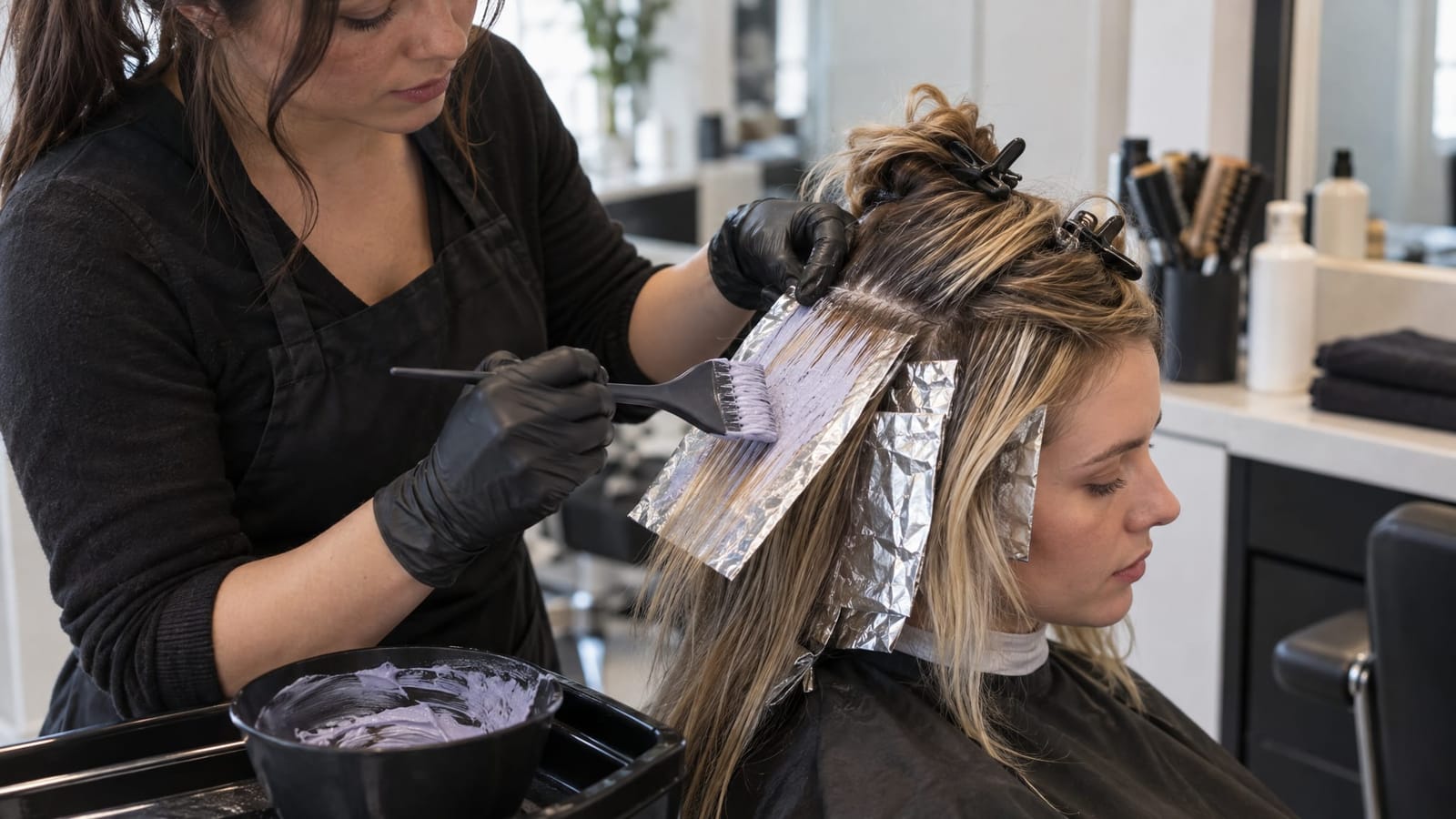
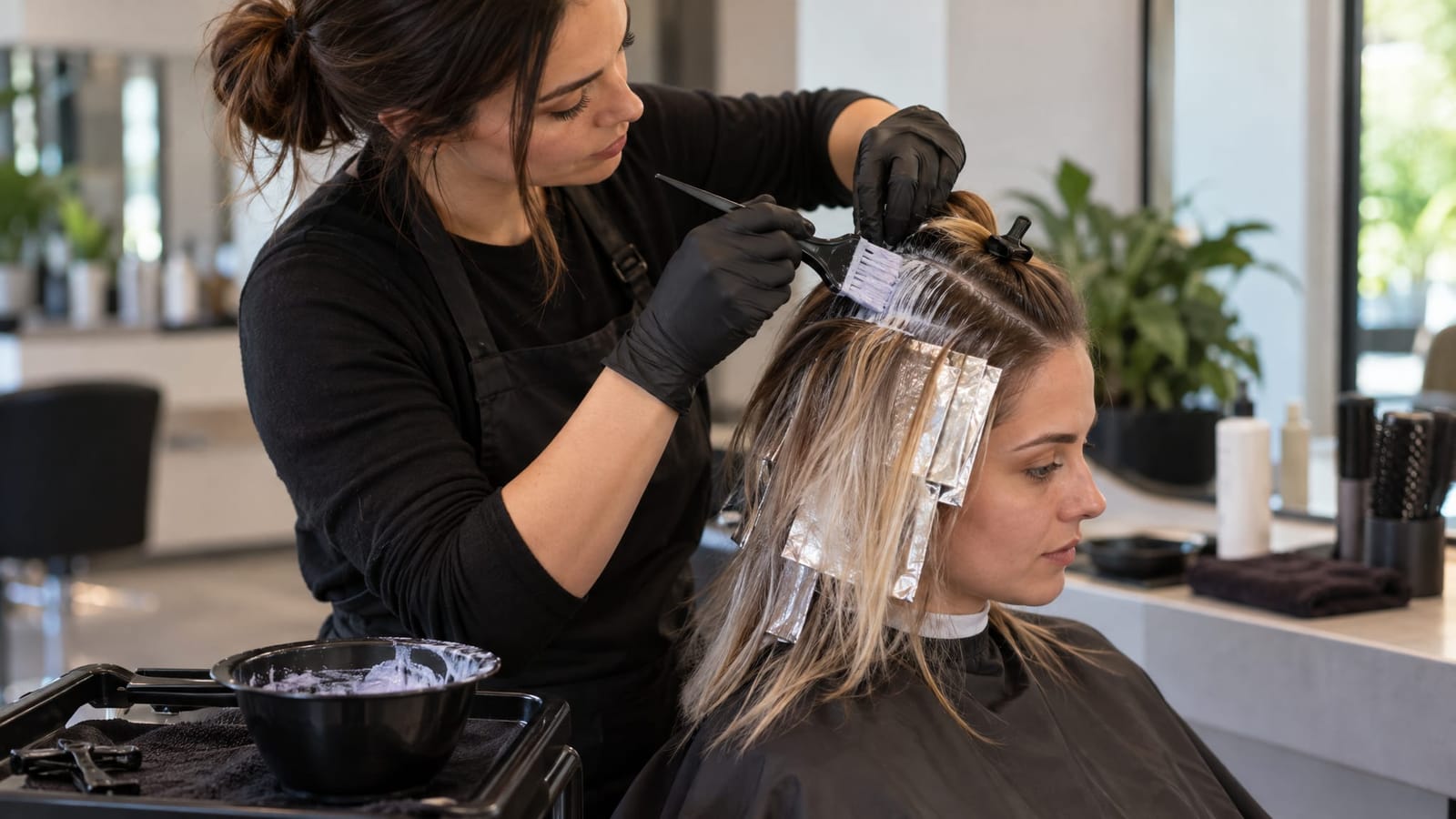
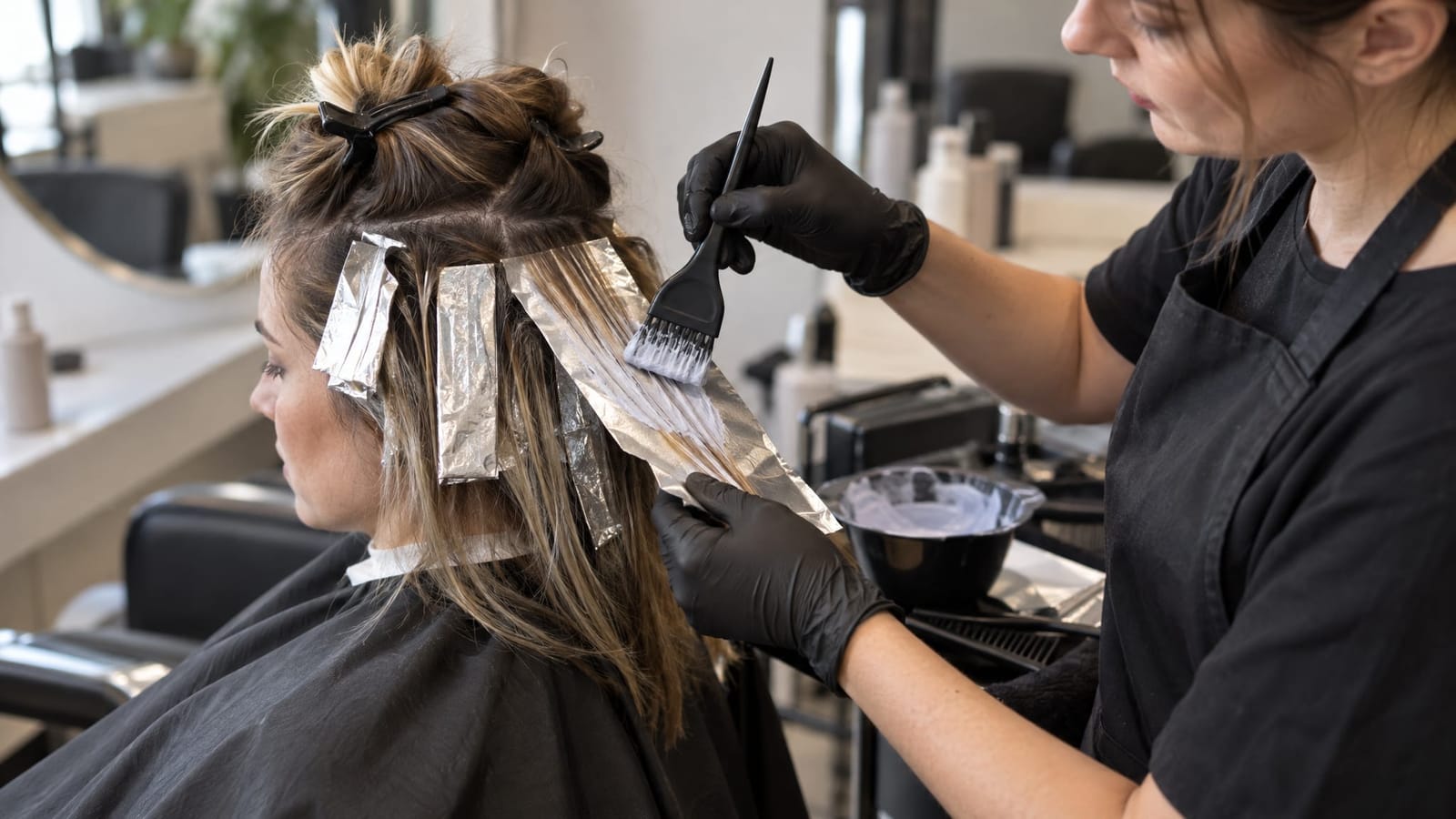
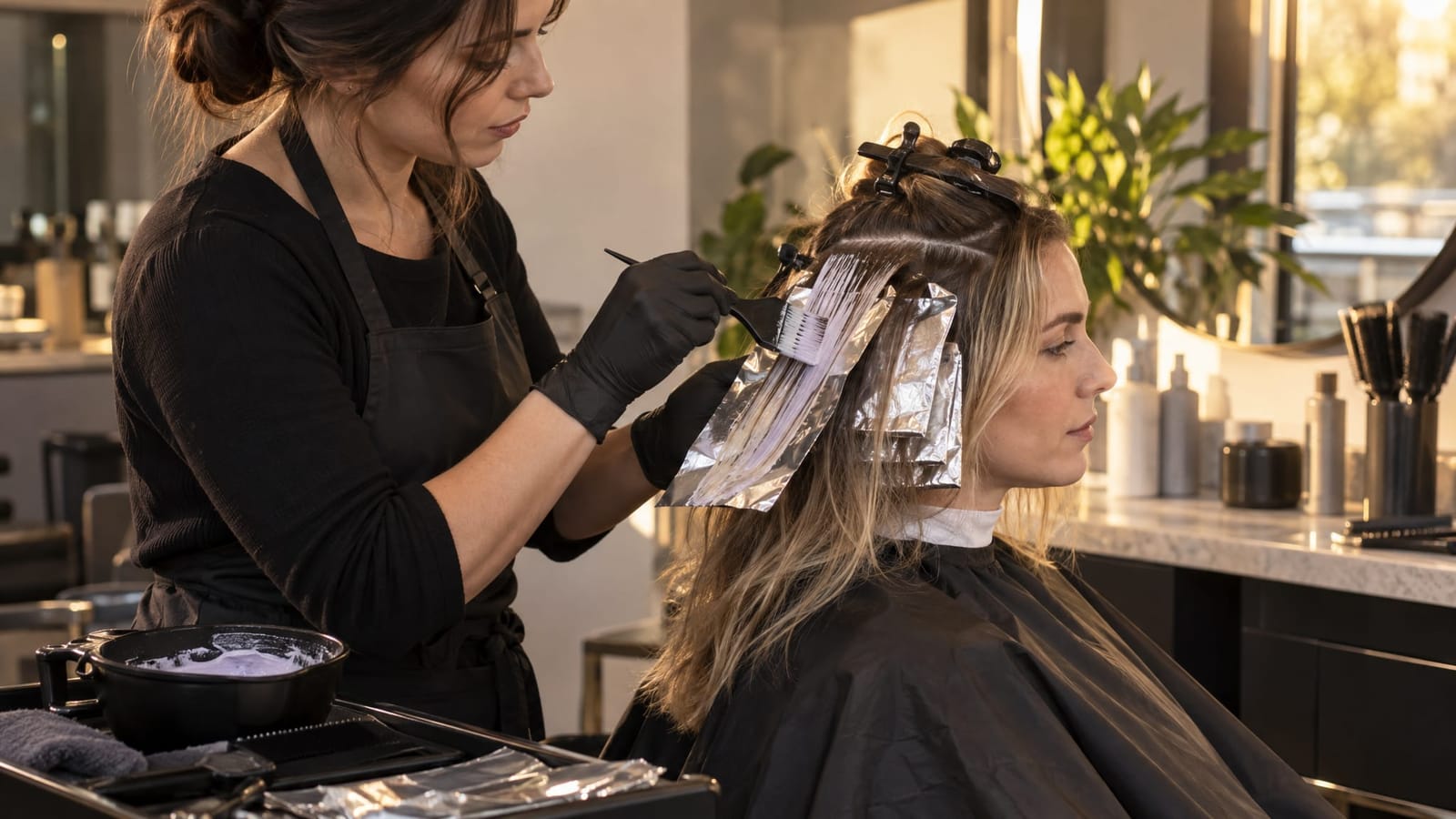
A small tone adjustment may take one appointment. Removing layers of dark dye, correcting uneven lightening, or making a major color change often takes multiple sessions. Your starting color, target shade, and the condition of your hair determine which approach makes sense.
It also helps to separate the first improvement from the final goal. Making uneven color look more balanced may be possible before reaching your preferred shade. A realistic correction plan accounts for both, including a wearable color between appointments.
When One Appointment May Be Enough
A correction is more likely to fit into one visit when the hair is already close to the right depth and the main issue is tone. For example, blonde hair that is evenly lightened but looks too yellow may benefit from a toner or gloss rather than more bleach.
The important distinction is that toner adjusts tone; it does not replace the lightening needed to move dark hair to a much lighter shade. An orange area that is significantly darker than the surrounding blonde may need a different approach from an evenly lightened, warm blonde.
Going darker can also be more straightforward than going lighter, but it is not always a simple all-over application. Very lightened hair may need warm pigment restored before a brunette shade is applied. Uneven porosity can also affect how evenly the darker color takes.
What Makes Color Correction Take Multiple Sessions?
Your starting color and color history
Previously colored hair behaves differently from hair that has never been colored. Applying a lighter permanent color over dark artificial pigment does not reliably produce a lighter result.
Repeated applications can also leave more pigment through the mid-lengths and ends than near the roots. That buildup may lift unevenly. A correction then involves managing different areas separately, rather than treating the entire head as one uniform starting point.
Box dye is part of that history, but the product category alone does not determine the timeline. Repeated dark applications, overlapping lightener, and previous corrective work all matter.
How far the target shade is from your current color
Softening a warm brunette and changing dark brunette hair to a cool blonde are very different tasks. The second requires substantially more lightening, followed by tone refinement.
For example, someone moving from repeatedly dyed dark brown hair toward a light blonde might pass through a warmer brown or caramel stage. Choosing a blended, warmer intermediate shade can make that transition more wearable. Insisting on a very light, cool result immediately leaves less flexibility.
The condition of the most fragile sections
Roots, mid-lengths, and ends may have different processing histories. Stronger new growth does not mean previously bleached ends can tolerate the same treatment.
Breakage, uneven porosity, and weak or overly stretchy strands can limit further lightening. A strand test can help assess how a section responds before broader processing. In some cases, a deeper or warmer target is a better fit for the hair than continuing toward a pale blonde.
Why Rushing Can Damage Hair
Lightening changes the hair fiber as it removes pigment. Repeated processing, especially when lightener overlaps onto already lightened areas, can increase dryness, roughness, and breakage. A longer appointment does not make unlimited processing possible.
Staging a correction creates opportunities to reassess the hair and adjust the goal instead of repeatedly processing it to chase a particular shade.
However, time between visits is not a reset button. Previously processed lengths do not become untouched hair again. Conditioning treatments can improve softness and manageability, but they do not restore heavily processed hair to its original state. Sometimes protecting the remaining length means changing the color goal, not simply adding another appointment.
What a Personalized Correction Plan Includes
At Salon Sanaa in Farmington Hills, we offer color correction, toner/gloss, all-over color, highlights, and conditioning treatments. These services address different needs, so a useful plan distinguishes pigment removal, tone adjustment, color placement, and conditioning rather than treating them as interchangeable fixes.
A personalized multi-session plan connects your preferred result with what your hair can reasonably tolerate. Its key parts include:
- A clear color history: Include permanent dye, lightener, color removers, tinted masks, henna, and smoothing treatments, especially anything still present in the lengths.
- A defined target: Reference photos help distinguish the desired lightness, warmth, contrast, and root appearance.
- Priorities for the first visit: Reducing harsh bands or balancing patchiness may matter more initially than reaching the final lightness.
- An acceptable intermediate shade: Discuss whether warmer tones, a deeper result, or a shadowed root would work between sessions.
- A reassessment point: Further lightening depends on how the hair responds, not just whether another appointment is on the calendar.
It also helps to identify your main priority. Preserving length may call for a more conservative color change. Reaching a lighter shade may involve accepting a warmer transition and removing compromised ends.
Between Appointments, Avoid Changing the Starting Point
Adding dark box dye or strongly pigmented color masks between correction visits can introduce new pigment that the next session has to address. Even a temporary-looking product can affect very porous, lightened sections differently from the rest of the hair.
Keep a record of any products or chemical services used between appointments. Gentle detangling, regular conditioning, and limiting unnecessary heat can support manageability without adding another color variable.
Frequently Asked Questions
Does one correction session mean one color application?
No. One appointment may include several stages, such as selective lightening, restoring missing pigment, and toning. Session count alone does not describe the amount of work involved.
How long do you wait between correction sessions?
The interval depends on the processing already performed, the condition of the hair, and the next planned step. Scheduling another visit does not automatically mean the hair is ready for more lightening.
Can a toner refresh count as another correction session?
A tone refresh is different from continuing a major correction. It may maintain the intermediate shade without moving the hair lighter. Separating maintenance visits from corrective work makes the overall timeline easier to understand.
The clearest expectation is a staged goal: address the most noticeable issue, establish a wearable result, and reassess before further processing. A successful plan balances the desired shade with the condition of the hair throughout the transition.