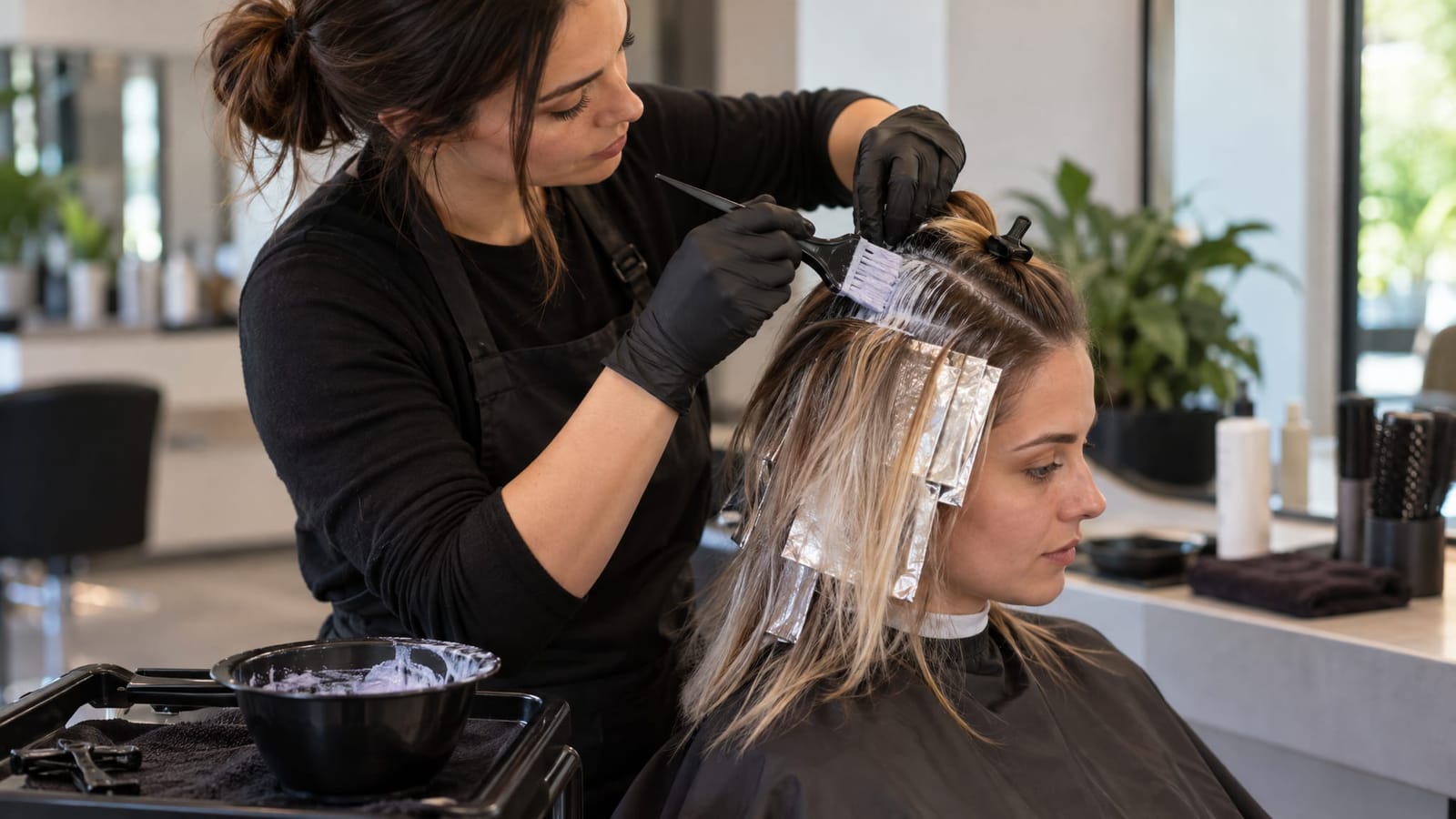
Signature Root Touch Up in Farmington Hills: What to Expect & Why It Matters
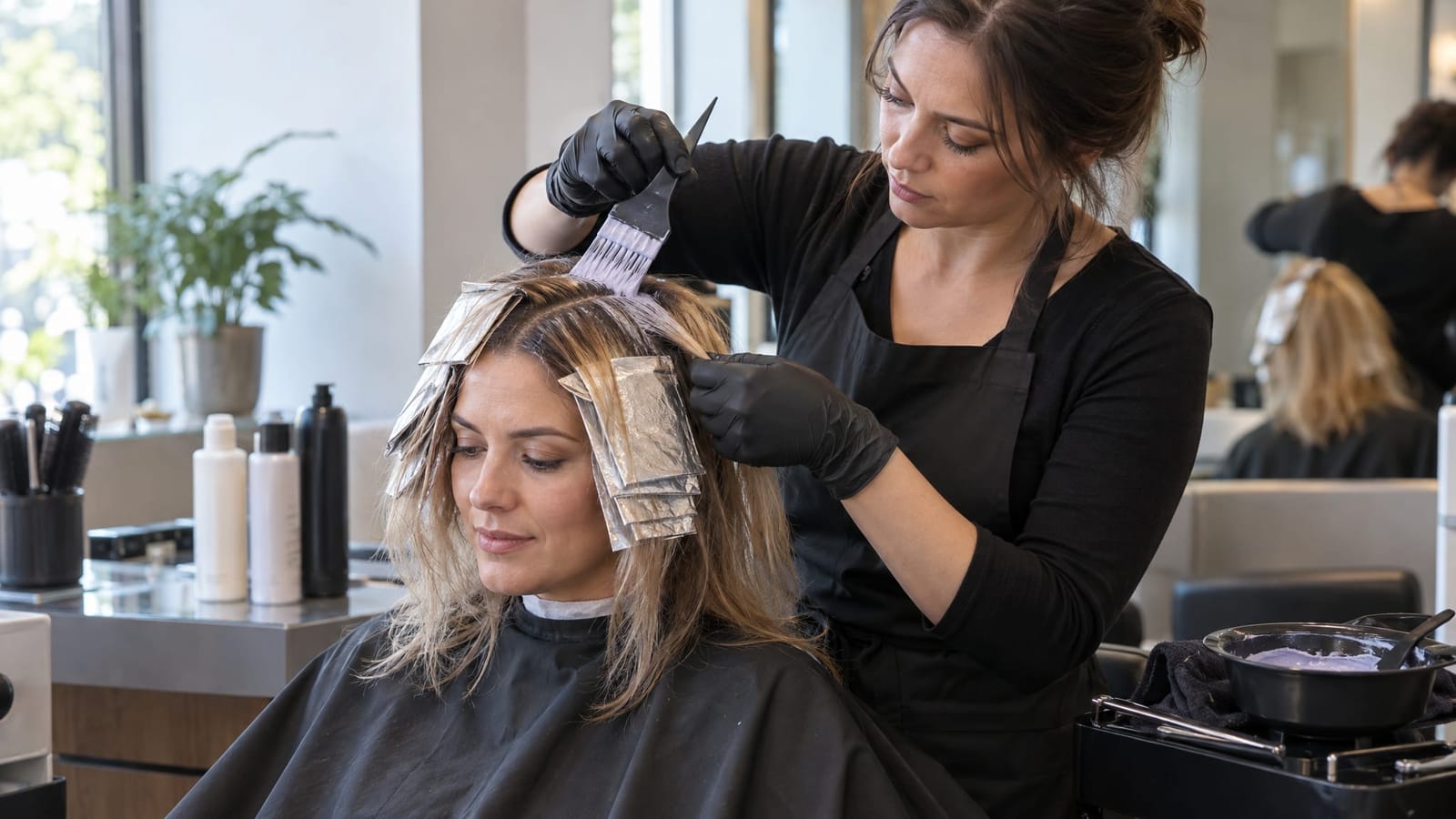
A root touch-up refreshes the new growth nearest your scalp without automatically recoloring the rest of your hair. It is often the right choice when you like your current shade but notice gray at the hairline or a visible difference between your natural roots and colored lengths.
At Salon Sanaa in Farmington Hills, we offer Signature Root Touch Up for root-color maintenance. The goal is a consistent-looking transition between new growth and existing color. Maintaining roots matters for the appearance of your color, but visible regrowth does not mean your hair is unhealthy. The important decisions are which areas need color, how closely the roots need to match, and whether your lengths need a separate refresh.
What Does “Signature Root Touch Up” Mean?
Signature Root Touch Up is our root-color maintenance service. Its core purpose is the same as a standard root touch-up: address new growth while preserving the color you want to keep through the lengths.
The meaningful details of a root service are the shade selection, coverage goal and placement. Covering resistant gray around the temples is different from blending scattered gray. Matching a rich brunette is also different from maintaining a blonde with a deliberately darker root.
A root touch-up is generally a good fit when:
- You want to maintain your existing overall color.
- The main change is new growth at the scalp.
- Your lengths still look close to your desired shade.
If your goal is to change your overall color, correct uneven bands or restore faded lengths, root color alone may not address it. We also offer All Over Color, Toner/Gloss and Color Correction, which serve different purposes rather than acting as interchangeable versions of a touch-up.
What Happens During a Professional Root Touch-Up?
A professional root-color appointment involves more than selecting a shade that looks close on a chart. Existing color, natural regrowth and gray hair can respond differently, so the plan begins with understanding what is already on the hair.
Reviewing your color history and coverage goal
Useful details include your previous salon color, any permanent or demi-permanent color used at home, lightening services and henna. Mention temporary root-cover products as well, since they can obscure the appearance of the regrowth.
Be clear about the result you want. “I want every visible gray covered” describes a different goal from “I want the gray to look less noticeable.” A photo of a previous color you liked can help communicate the depth and warmth you prefer.
Matching depth, tone and coverage
Depth describes how light or dark a color looks. Tone describes its warmth or coolness. A root formula can match the depth of your lengths yet still look disconnected if it is noticeably warmer, cooler or more opaque.
Matching also means deciding what to match to. If the lengths have faded warmer than you prefer, matching the roots to that faded shade may not produce the overall look you want. In that situation, the roots and lengths need separate consideration.
Gray coverage adds another variable. The amount and distribution of gray, along with the intended coverage, influence formula selection. This is why a shade name alone does not fully describe a color plan.
Applying, processing and assessing the result
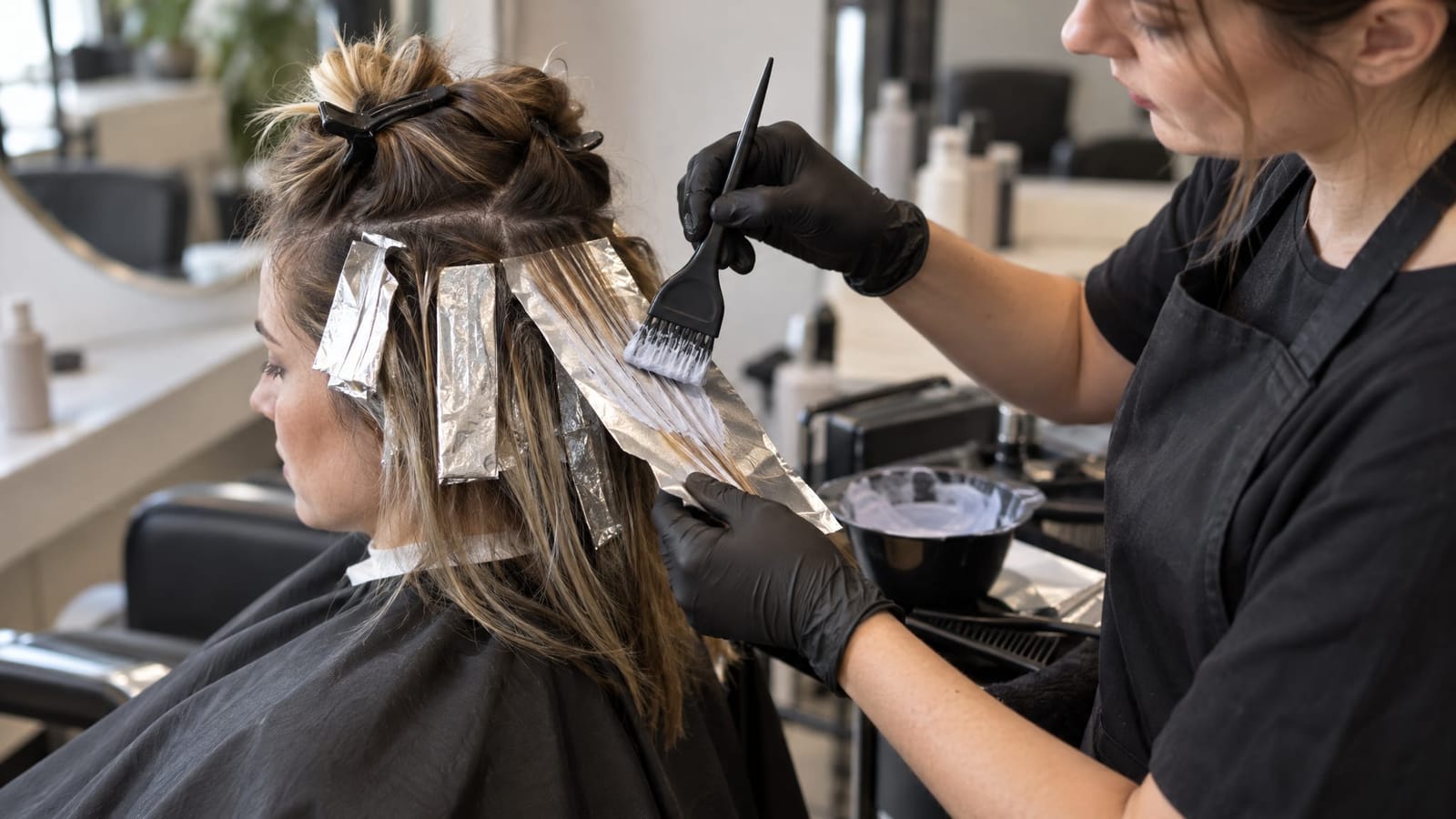
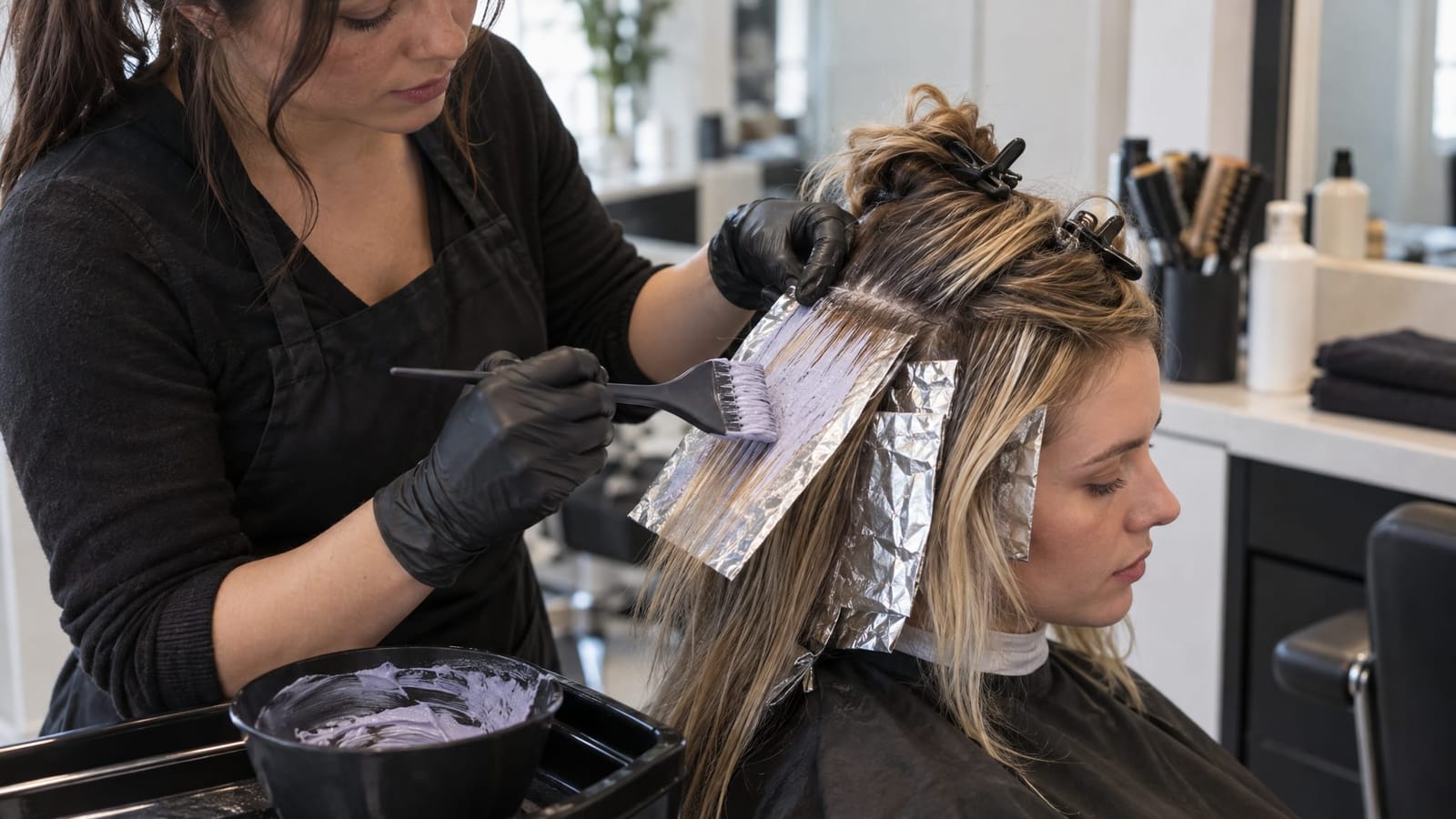
For routine root maintenance, color placement focuses on new growth. Careful sectioning helps separate untreated roots from previously colored hair and limits unnecessary overlap.
Processing follows the requirements of the color product and intended result. Leaving color on longer is not a universal solution for better coverage.
After rinsing, the result can be assessed for coverage and the transition into the lengths. Dry hair gives a clearer view of the finished shade than wet hair. If the ends look faded or dull, that is a separate issue from whether the root color has done its job.
How Often Does Root Color Need Maintenance?
Root touch-ups are generally maintained on a schedule spaced several weeks apart, but the best interval depends on how quickly the contrast becomes noticeable to you. The appointment date is less useful than understanding what makes your regrowth stand out.
- High contrast: White or gray roots against a dark brunette shade tend to become noticeable sooner than regrowth close to the colored shade.
- Coverage preference: Maintaining solid coverage usually calls for more frequent attention than accepting a softer blend.
- Placement: Regrowth at the part and temples may bother you before less visible areas do.
- Color design: A softly blended root can accommodate more visible growth than a uniform color from scalp to ends.
A practical starting point is to notice when your part and hairline stop blending comfortably in everyday lighting. Keep track of that point after a color appointment, rather than waiting until the contrast feels much stronger than you want.
Waiting longer does not automatically damage hair. However, a wider band of regrowth can require a different application approach, particularly with lightening services. Our guide to how often to get a root touch-up explores the factors behind a workable maintenance schedule.
Before-and-After Expectations: What Will Change?
The expected difference is at the roots. Previously visible regrowth should look more consistent with the intended color, whether the goal is fuller gray coverage or a softer blend. A touch-up is not automatically a whole-head transformation.
For example, if your brunette lengths still look rich but gray is visible along your part, root color can address that contrast without changing the ends. If those same lengths have faded noticeably warm, covering the gray will not also restore their original tone.
Keep these distinctions in mind when judging the result:
- Coverage and blending are different: Full coverage aims for a more uniform appearance. Blending leaves some variation visible by design.
- Roots and ends may need different services: A successful root match does not remove old color bands or correct uneven lengths.
- Lighting affects perception: Compare your color in similar lighting rather than comparing a warm indoor “before” photo with a daylight “after” photo.
Highlighted hair needs an additional distinction. Root color does not recreate the lighter strands of highlights or balayage. If your main concern is that brightness has grown away from the scalp, maintaining the lightened pattern may be more relevant than applying solid root color.
Does Keeping Up With Roots Protect Hair Condition?
Freshly colored roots can make your overall color look more cohesive, but regrowth itself does not harm the hair. Root maintenance is primarily an appearance decision.
What matters for hair condition is how color is applied. Repeatedly overlapping permanent color or lightener onto previously processed hair can contribute to dryness and breakage. Focusing routine maintenance on the area that needs treatment helps avoid unnecessary reprocessing.
This does not mean every touch-up is damage-free. Hair condition, previous lightening and the degree of color change all matter. Coloring darker to cover gray is also a different process from lightening natural roots to maintain a pale blonde.
Pulling permanent root color through the ends at every appointment is not automatically the right way to restore shine. Faded tone and dry-feeling hair are different concerns. We offer Toner/Gloss for color refinement and Conditioning Treatment for conditioning needs, rather than treating every concern as a reason for more permanent color.
For more detail on overlap and previously processed hair, explore our tips for limiting root touch-up hair damage.
Salon Root Color vs. At-Home Options: Comparing the Cost
An at-home color kit generally costs less upfront than a salon appointment. The salon cost reflects more than the color product: it includes professional assessment, formula selection, application and evaluation of the result.
The useful comparison is between options that accomplish the same goal.
Temporary root cover
Root powders, sprays and similar concealers camouflage visible regrowth until they wash out. They can help between color appointments, but they do not permanently change the underlying color. Their tradeoffs include repeated application, possible transfer and a finish that depends on how much product is used.
At-home root dye
Home dye changes the hair color and generally has a lower initial cost than professional application. The challenge is controlling placement, especially at the back of the head, and choosing a formula that works with both natural regrowth and existing color.
A familiar shade can still create a visible band if it overlaps older color or differs in tone. A previous salon formula also cannot be reliably recreated by choosing a box with a similar shade name.
Professional root color
Professional application allows the color plan to account for uneven gray distribution, previous color and areas that need different handling. It is particularly useful when consistency matters or when the hair already contains several layers of color work.
Compare the full commitment, not just the purchase price: product, tools, application time, cleanup and the possibility of corrective work all affect the value of the home option. A correction is not inevitable, but it can outweigh the initial savings if the result needs substantial adjustment.
A history of hair-dye reactions or an irritated scalp is a reason to discuss your situation with a licensed healthcare professional before another color application.
Choose Maintenance That Matches Your Goal
The key question is whether you want to maintain your current color or change it. For maintenance, identify what bothers you most: gray at the hairline, a contrasting part, faded lengths or grown-out highlights. Those concerns can look similar at first glance, but they call for different color decisions.
A focused root touch-up makes sense when the new growth needs attention and the rest of your color still works. Keeping those areas separate helps make maintenance more purposeful, without treating all your hair when only the roots need color.