Hair Color Correction in Farmington Hills: Fixing Bad Dye Jobs & Color Mistakes
The right way to fix a disappointing hair color depends on whether the problem is unwanted tone, uneven depth, or damage from repeated processing. Brassiness may need toning. Dark bands may need targeted color removal or lightening. Fragile, over-processed hair may need a more gradual plan rather than another chemical service right away.
Adding another box of dye rarely addresses all of those problems at once. Professional correction matters because your roots, previously colored lengths, and ends can need different approaches.
At Salon Sanaa in Farmington Hills, we offer color correction alongside toner/gloss, all-over color, highlights, and conditioning treatments. Here is how to approach a correction with a clear goal and realistic expectations.
Step 1: Identify What Actually Went Wrong
“I hate my color” is an understandable starting point. Separating the specific problems makes it easier to choose a correction that addresses them without unnecessary processing.
Brassiness or an unwanted tone
Hair can be the right lightness but still look too yellow, orange, red, or ashy. That is a tone problem, not necessarily a reason to lighten it again. Lightening exposes underlying warm pigment, so warmth does not automatically mean the original service failed.
The important distinction is whether you dislike the warmth or whether the hair is also too dark. Toning can adjust unwanted tones on a suitable base, but it is not a substitute for removing dark artificial pigment.
Uneven color, dark bands, or bright roots
Uneven color means different areas need different attention. Roots may look brighter than the lengths, old color may form a dark band, or porous ends may absorb color more strongly than the rest of the hair.
Putting the same formula over every section can make the difference more noticeable. A correction may need to address one band while leaving already-lightened areas alone.
Over-processed hair
Roughness, persistent tangling, snapping ends, or an unusual stretchy feel when wet are reasons to make hair condition part of the conversation. A color result can look wrong while the hair also needs a break from further processing.
Box dye alone does not explain every problem. Repeated applications, overlapping lightener, previous chemical treatments, and the condition of the hair all matter.
Step 2: Prepare for a Useful Color Consultation
A correction consultation connects three things: your current color, your hair’s processing history, and the result you want. Photos are helpful, but they cannot show everything that affects the plan.
Bring a clear color history
Include what has happened to the lengths, not just the most recent application. Older color can remain in hair that has not been cut off.
- Products used: Permanent dye, semi-permanent color, lightener, henna, color-depositing masks, and toning shampoos.
- Application pattern: Whether color was applied only to new growth or repeatedly pulled through the ends.
- Other chemical services: Smoothing, straightening, relaxing, or perming treatments.
- Changes in condition: When tangling, dryness, or breakage became noticeable.
- Your priorities: Whether evenness, brightness, gray coverage, length retention, or a cooler tone matters most.
Product packaging or photos can help explain what was used. There is no benefit to leaving out an at-home application. The history helps a colorist avoid treating previously processed hair as if it were untouched.
Use reference photos to explain preferences
Bring a photo of the color you want and, if useful, one showing what you dislike. Describe the feature that matters: a softer root, less orange, brighter pieces around the face, or a more even brunette.
A colorist can assess differences between the roots and lengths, the hair’s texture and condition, and how evenly it absorbs color. A strand test can help evaluate how a small section responds before selecting a broader approach.
Step 3: Match the Correction to the Problem
Color correction is not one fixed service or formula. The most useful plan addresses the cause of the mismatch rather than simply covering it.
When the depth is right, adjust the tone
If blonde hair is light enough but looks too yellow, a suitable toner or gloss may be the main corrective step. If the hair is orange and the goal is a much lighter blonde, toning alone will not create the missing lightness.
The tradeoff matters: reducing warmth at the current depth is a different goal from becoming lighter. A cooler result can also appear darker or less bright than a warm shade at a similar depth.
When the color is too dark, address artificial pigment
Applying a lighter permanent color over previously dyed dark lengths generally will not produce an evenly lighter result. Corrective work may involve removing or lightening artificial pigment before refining the shade.
Repeated dark applications can leave the ends more saturated than the roots. Treating the entire head identically risks creating light areas beside stubborn dark ones. This is where section-by-section planning becomes particularly important.
When the color is patchy, correct the uneven areas
A dark band through the middle of otherwise lighter hair needs a different approach from scattered highlights that look too bright. The goal is to balance the overall result without unnecessarily reprocessing every strand.
For example, someone with overly bright highlights who wants a softer brunette may need depth added back rather than more lightening. Someone with dark bands who wants to stay blonde faces a different process.
When going darker, rebuild the color thoughtfully
Very lightened hair may need warm pigment replaced before a darker shade is applied. This preparation, often called filling, helps avoid a hollow or muddy-looking result.
Once the unevenness is addressed, the desired finish also matters. Our comparison of all-over color, partial highlights, and full highlights explains the difference between a consistent shade and a dimensional result.
When the hair is fragile, protect the remaining condition
A conditioning treatment can improve softness and manageability, but it does not turn damaged hair back into unprocessed hair. Further lightening may need to wait, and trimming damaged ends may be part of the longer-term plan. Keeping more length can mean accepting a smaller color change for now.
Step 4: Set a Realistic Timeline and Service Plan
Two questions need separate answers: how long the first appointment will take, and how many appointments the overall change will require.
A tone adjustment is a different time commitment from removing accumulated dark dye, correcting bands, and creating a lighter finish. Complex corrective appointments can take several hours because different areas need separate attention.
Choose an acceptable first-stage result
Some corrections can be completed in one visit. Others need multiple appointments because the desired change is substantial or the hair cannot tolerate all the required processing at once.
For example, moving from repeatedly dyed dark brown to a pale blonde may involve an intermediate brunette or warmer blonde stage. If that temporary result would be disappointing, it is important to discuss it before beginning.
A useful plan distinguishes:
- The first-visit goal: What can be improved at the initial appointment.
- The longer-term goal: The shade or dimension you ultimately want.
- The condition limit: When further processing would compromise too much of the hair.
- The maintenance commitment: What the corrected color will need afterward.
Our explanation of how many sessions hair color correction takes explores the factors behind a staged approach. Waiting between appointments does not erase existing damage, so the next step depends on the hair’s condition, not simply the calendar.
Understand what affects the cost
Correction costs reflect the work involved, including the areas being treated, hair length and density, application complexity, and the services needed to finish the result. A simple tonal adjustment and a multi-stage correction are not equivalent appointments.
A useful estimate identifies the planned work and separates it from possible later visits. Our guide to hair color correction costs in Farmington Hills covers the factors to discuss when comparing plans.
Step 5: Understand What Happens During Corrective Work
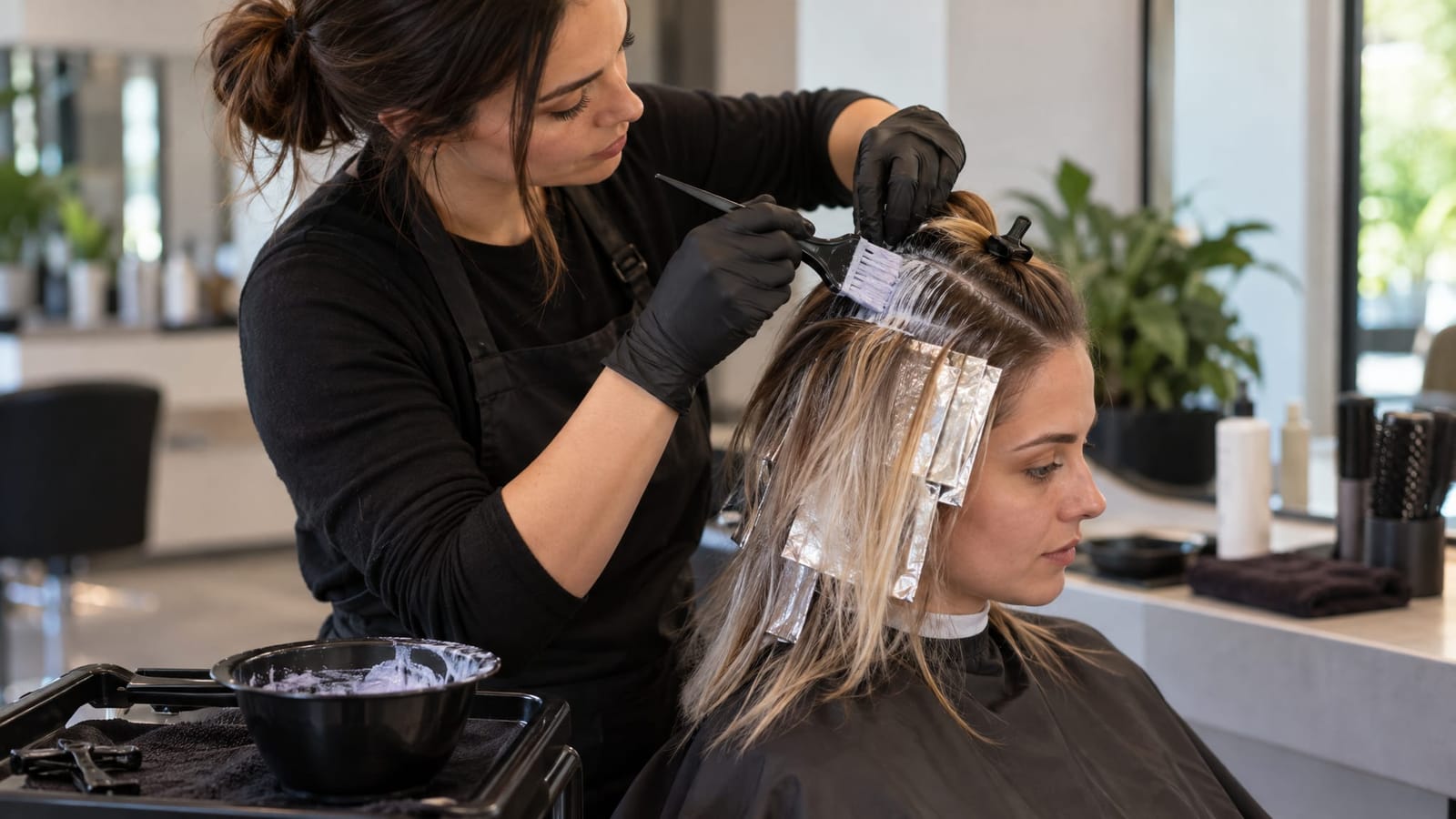
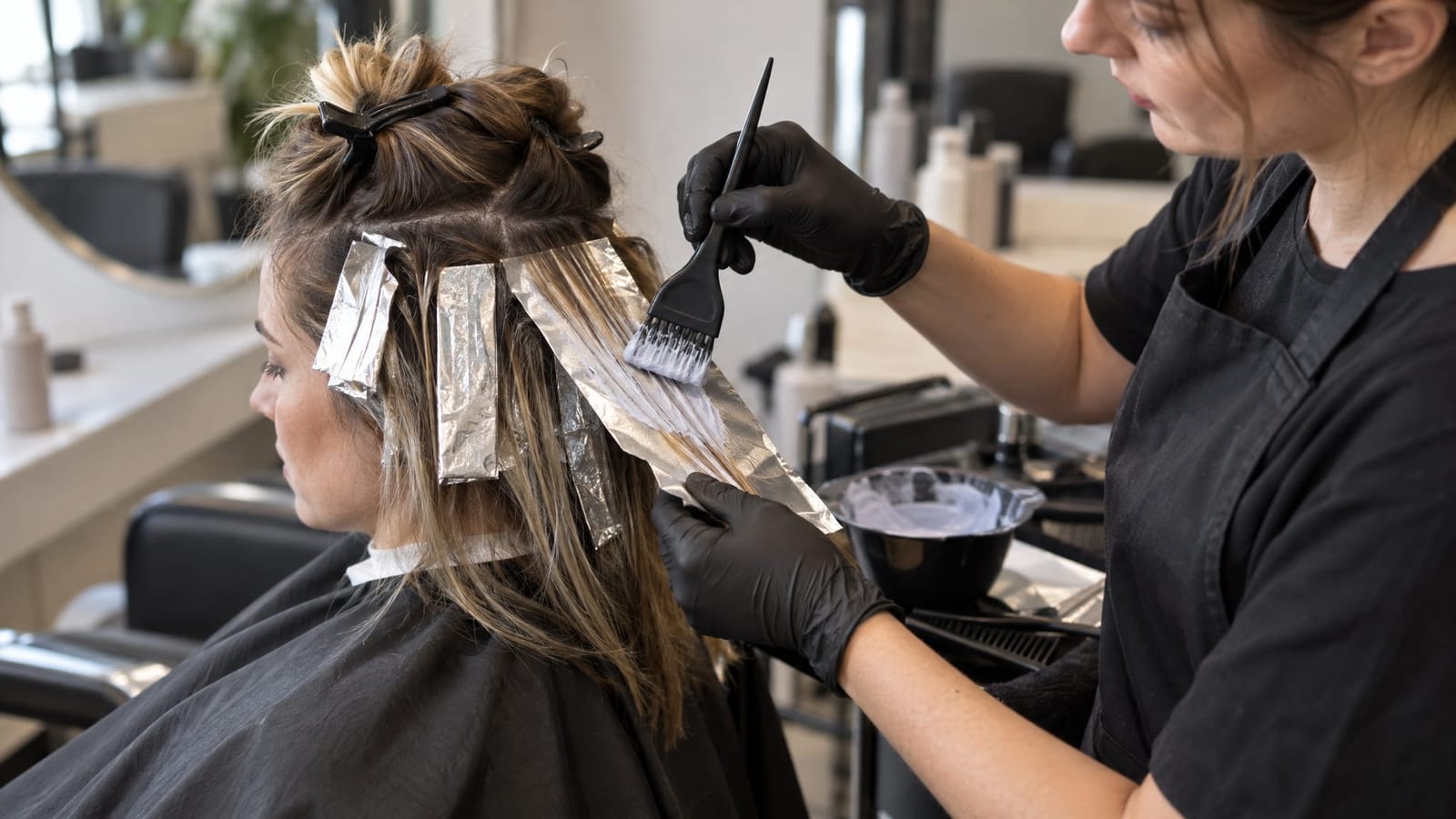
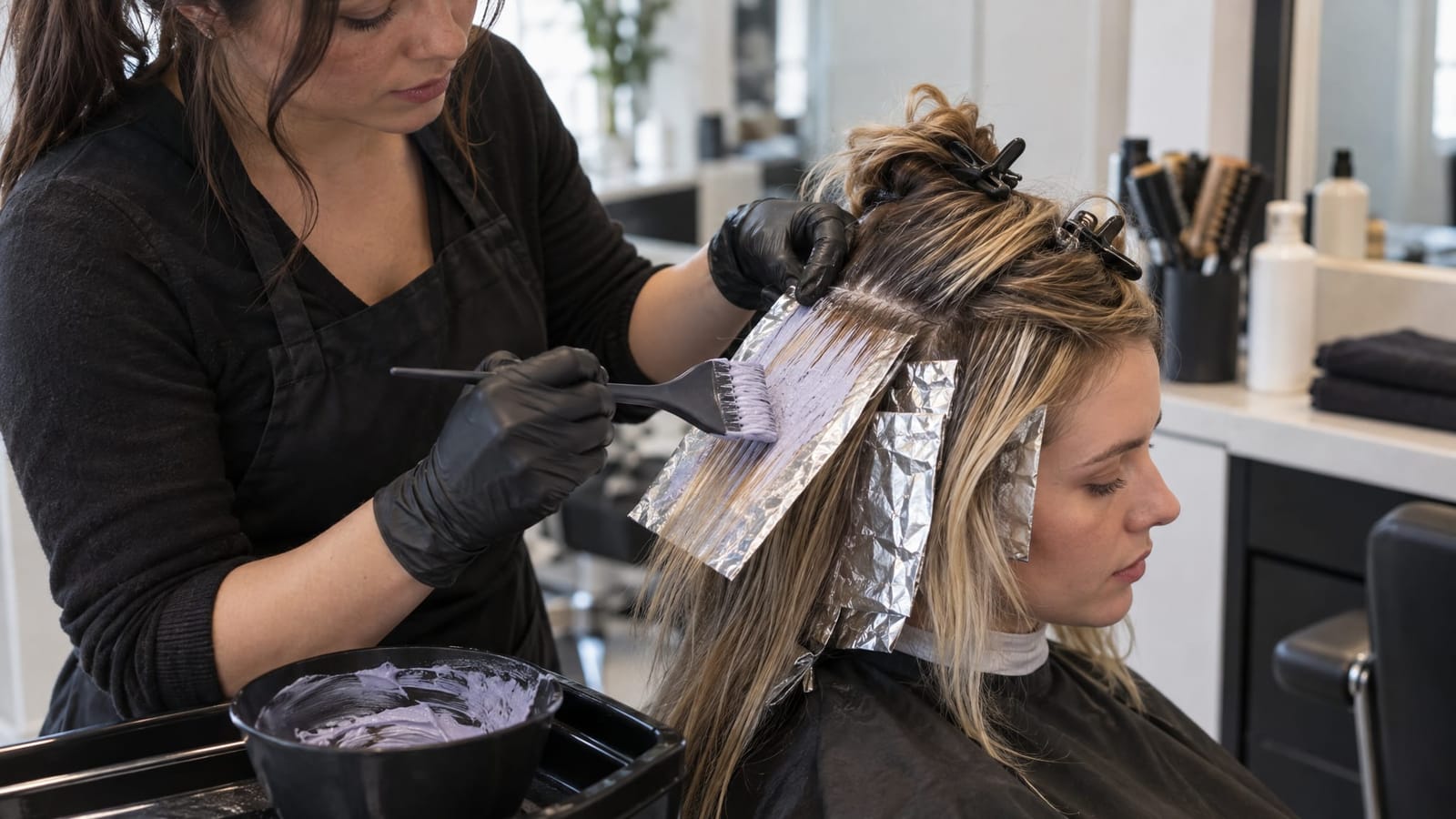
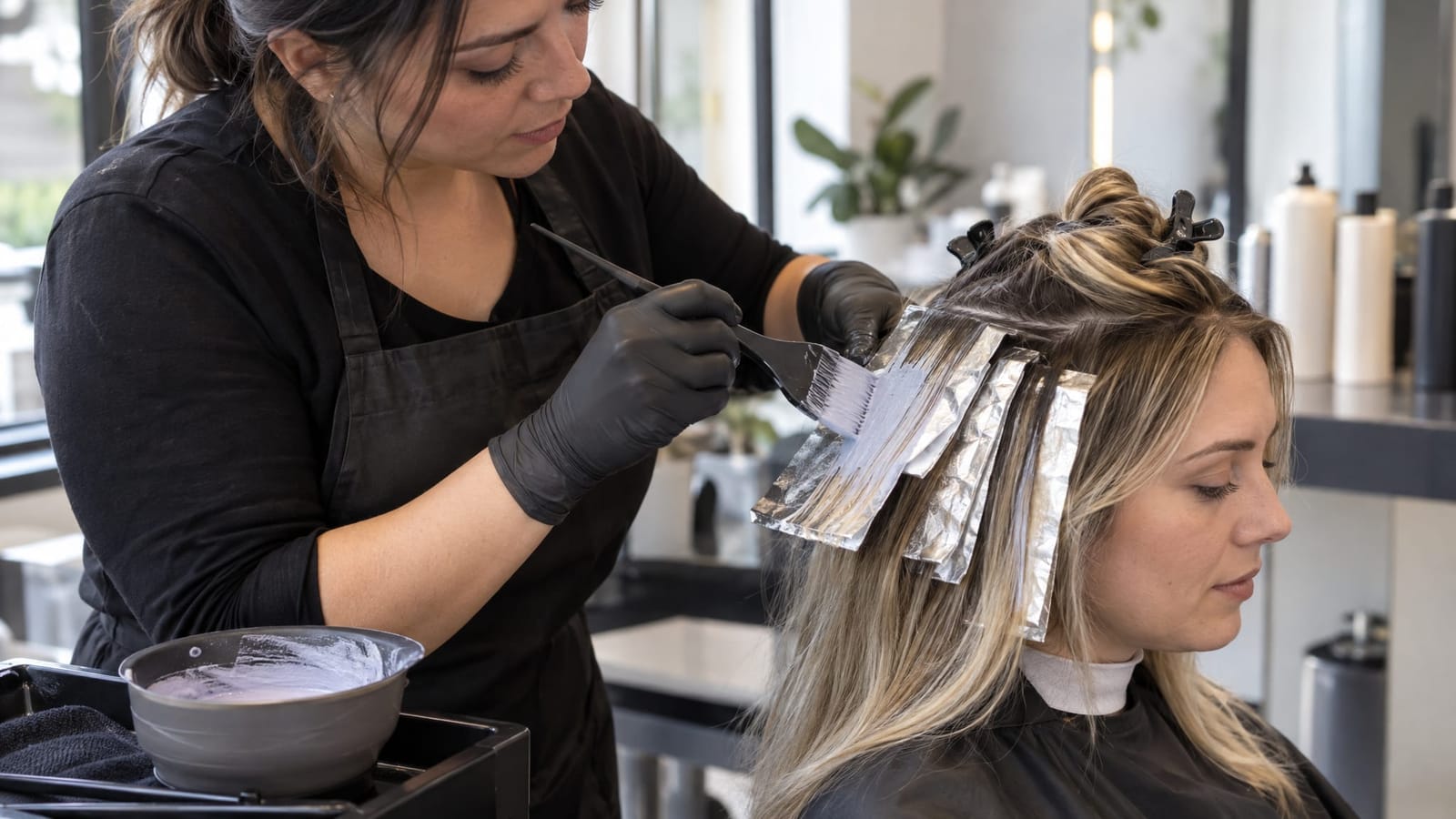
Depending on the plan, a correction can include targeted pigment removal, lightening, adding depth, replacing missing warmth, or toning. Not every correction needs every stage.
Different sections may receive different formulas or be processed separately. That is not inconsistency. It reflects the fact that new growth, older color, and porous ends are different starting points.
The hair’s response also matters. If an area does not lighten as expected or its condition limits further work, a revised shade or an additional appointment may be more appropriate than pushing toward the original target that day.
When reviewing the finish, look beyond the shade name. Consider whether the roots and lengths feel balanced, whether unwanted bands are reduced, and whether the tone fits your preference. Intentional dimension does not mean every strand will be identical.
Evaluate the color once it is dry and in neutral lighting. Wet hair and strongly warm indoor lighting can change how depth and tone appear.
Step 6: Maintain the Correction Without Creating Another Problem
Aftercare works best when it supports the corrected color rather than continually changing it.
- Keep cleansing gentle: Choose products suited to color-treated hair and a washing routine that fits your scalp and styling needs.
- Use toning products selectively: Purple shampoo targets yellow tones. It does not remove dark bands, repair damage, or solve every type of brassiness.
- Limit repeated high-heat styling: Use heat protection and avoid unnecessary passes over fragile sections.
- Avoid layering on another home correction: Dark dye or color-depositing masks can complicate the next planned stage.
- Separate root maintenance from refreshing the lengths: New growth does not automatically mean the entire head needs permanent color again.
If the corrected shade will need ongoing gray coverage or root blending, our guide to signature root touch-ups in Farmington Hills explains how targeted maintenance differs from a full color service.
Salon Sanaa also offers toner/gloss and conditioning treatments. These serve different purposes: one refines tone, while the other supports softness and manageability. Neither is interchangeable with correcting an underlying dark band or uneven lightness.
A Better Result Starts With the Right Priority
The most useful correction plan balances the color you want with the hair you have today. Decide which matters most for the first visit: a more even result, less unwanted warmth, greater brightness, or preserving length. That priority gives the process a clear direction without making every goal depend on one appointment.